
I’ve spent the better part of my career as a licensed professional counselor working in southern Colorado, and a meaningful chunk of that time has been devoted to counseling in Cañon City, CO and the surrounding Fremont County area. Small towns have their own emotional rhythms, and if you don’t understand them, counseling can miss the mark. I learned that early on, sometimes the hard way.
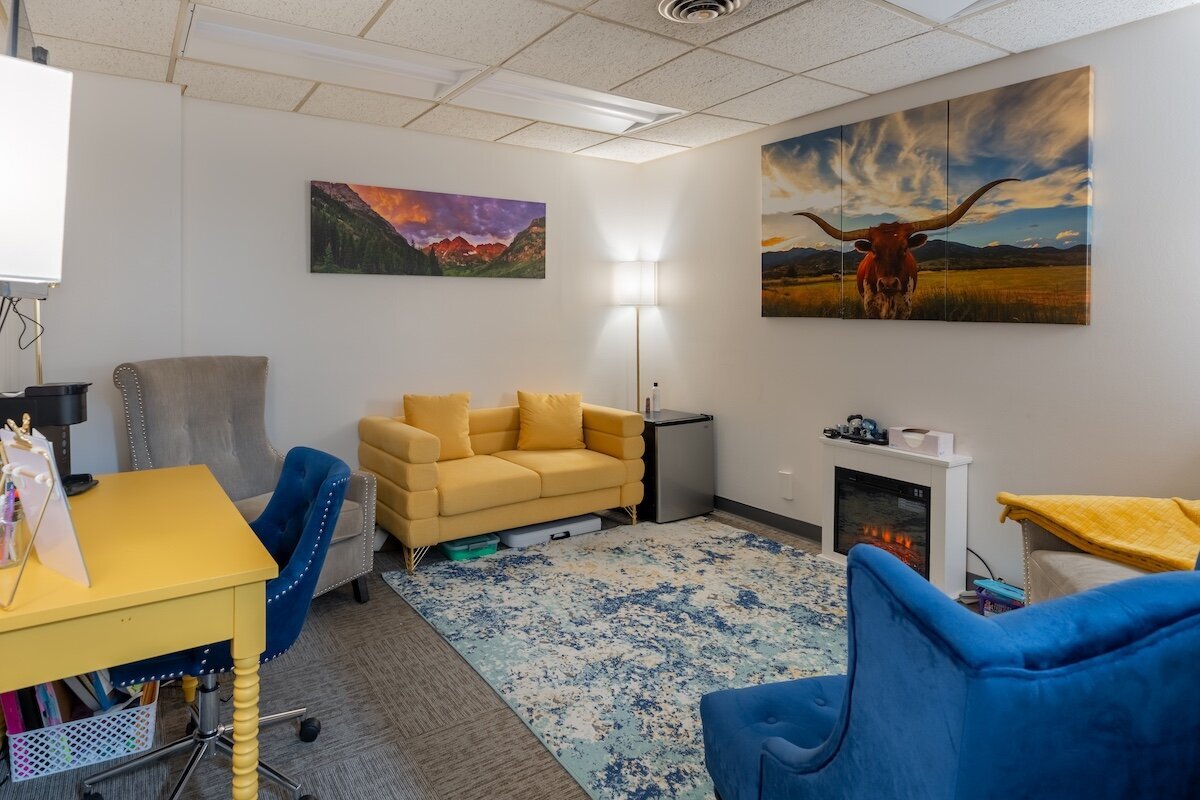
When I first began seeing clients here, I assumed the challenges would mirror what I’d seen in larger Front Range cities—stress, anxiety, relationship conflict. Those issues were present, but they showed up differently. In Cañon City, people often wait far too long before reaching out. I remember a client who came in after months of barely sleeping, snapping at family members, and quietly worrying that something was “wrong” with them. They weren’t unfamiliar with therapy; they just didn’t want to be seen walking into an office they might pass again at the grocery store. That hesitation matters, and any counselor practicing here needs to understand it.
One thing I’ve found over the years is that counseling in Cañon City works best when it’s practical, grounded, and respectful of people’s self-reliance. Many of my clients are used to handling things on their own—working long shifts, caring for family members, managing financial pressure without complaint. Therapy can feel indulgent or unnecessary to them at first. I don’t try to talk anyone out of that mindset. Instead, I meet it head-on. We talk about what’s no longer working, not what should work in theory.
A few winters ago, I worked with someone dealing with lingering grief after a loss that hadn’t been openly discussed in their family. In larger cities, people often have multiple outlets—support groups, social circles, anonymity. In Cañon City, grief can become very quiet. This client didn’t need complex techniques or jargon. They needed permission to speak honestly without feeling like they were burdening anyone. Sessions were slower, more conversational, and rooted in real-life moments—how mornings felt heavier, how weekends stretched too long. That pace mattered.
I’ve also seen common mistakes people make when seeking counseling here. One is choosing a therapist based solely on availability rather than fit. I understand the urgency—waitlists can be long—but counseling only works when there’s trust. Another mistake is expecting therapy to feel immediately relieving. In my experience, the first few sessions often feel uncomfortable, especially for people who’ve spent years minimizing their own needs. That discomfort isn’t failure; it’s usually the first sign that something honest is happening.
As a clinician, I’ve had to adapt my own approach to this community. I’m trained in evidence-based modalities, but I don’t lead with labels or rigid structures. I focus on listening for what’s being left unsaid. In Cañon City, that might be worries about finances, family expectations, or the quiet isolation that can come from living somewhere everyone knows your name but not your inner life.
Counseling here isn’t about fixing people. It’s about giving them space to think clearly again, often for the first time in a long while. I’ve watched clients rediscover patience with their kids, regain motivation at work, and stop assuming that struggle is just something they have to endure alone. Those changes rarely happen all at once. They build through honest conversations, practical reflection, and a therapeutic relationship that respects the realities of this town.
That’s what effective counseling in Cañon City looks like from my chair—not dramatic breakthroughs, but steady, meaningful shifts that fit real lives.